Automated parcel lockers didn’t “solve everything,” but they did make the day-to-day feel normal again.
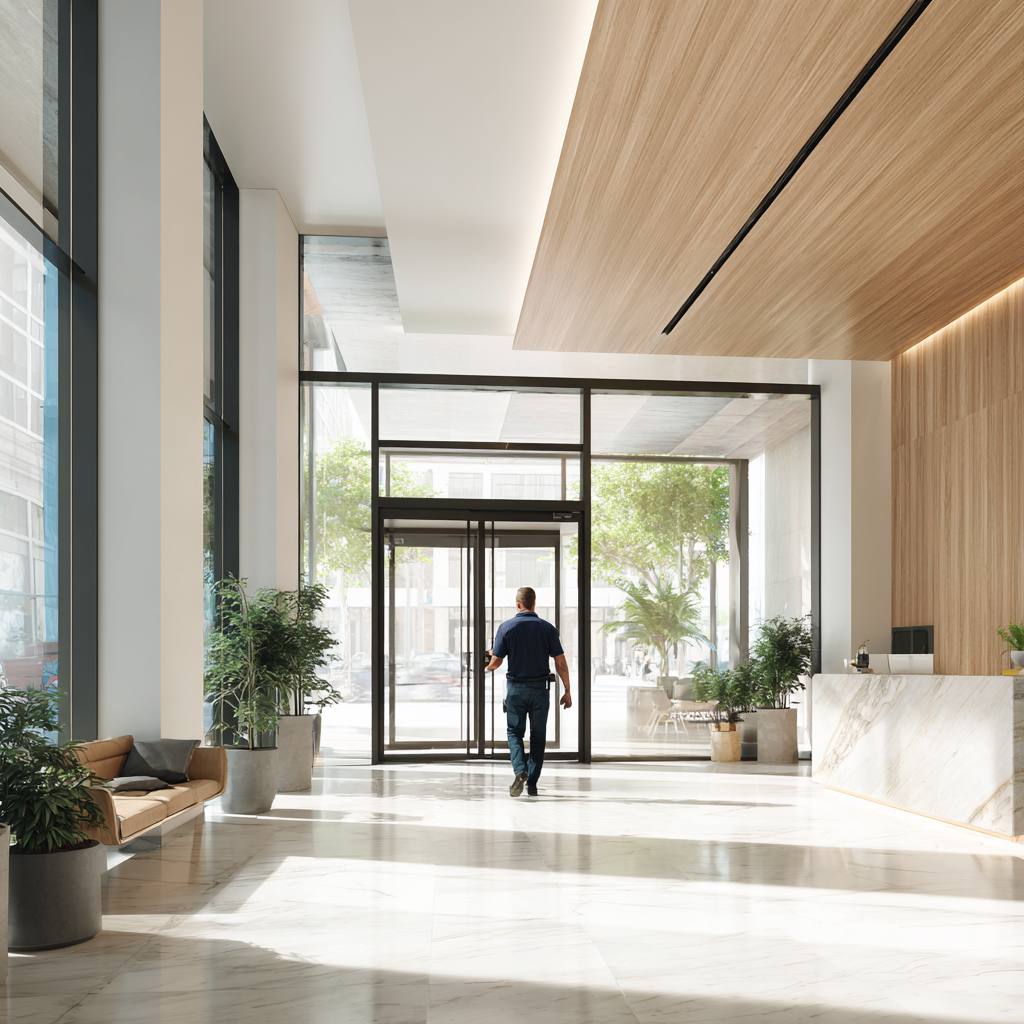
By late January in Ottawa, the lobby of this mid-scale residential building had started to look like a pop-up warehouse.
A couple of padded envelopes were wedged under the mailboxes. Two shoebox-sized parcels sat near the bench by the entrance. Someone had dragged a larger box behind a planter as if that made it invisible. Residents would walk in, scan the floor, then do that little half-turn toward the concierge desk: Is that mine? Did it get dropped off today?
The front desk staff tried to keep track. They didn’t have a perfect system—just a logbook, some sticky notes, and a decent memory. But on busy days, couriers arrived back-to-back, residents asked questions in a rush, and the lobby got crowded. Every now and then, a package went missing. Not constantly, but enough that people started to assume it could happen. And once you get that feeling, the vibe shifts. You start timing your deliveries, checking tracking like it’s a sport, or asking a neighbour to grab something you paid for.
“Honestly, the theft complaints weren’t daily,” the property manager told me, “but they were consistent. And the bigger issue was how much time we spent talking about packages—with residents, with couriers, with each other.”
A building that’s busy in the most normal way
The building sits in Ottawa, not downtown skyscraper territory and not a small walk-up either—more like that middle zone a lot of people live in: roughly 90 to 140 units, a mix of young professionals and families, some longtime residents, some renters who rotate every couple of years. There’s a secure entrance, a common area off the lobby, and a front desk/concierge setup that handles the usual stuff: letting in contractors, answering questions, dealing with the occasional fire alarm panel beep at the worst possible time.
Then online shopping got… bigger. Not just holiday season bigger—year-round bigger. People ordered household basics, kids’ stuff, work-from-home gear, groceries that aren’t groceries but arrive in boxes. The mailroom situation (if you can call a bank of mailboxes and a small shelf a mailroom) wasn’t designed for that. Couriers would drop packages where they could: lobby corners, the bench, beside the elevator, sometimes right in front of the mailboxes. Mis-deliveries happened, too. A parcel for unit 604 would end up with unit 406, and the person who received it would do the honest thing and bring it down… usually. But sometimes it sat inside someone’s foyer for a few days and everyone got grumpy.
The concierge desk became the default help desk for all of it. “We’d be in the middle of something—signing in a contractor, dealing with a resident request—and it’d be, ‘Can you check if my package is here?’” the property manager said. “And you want to help. It’s just… it adds up.”
The decision: not dramatic, just practical
The idea of parcel lockers came up in winter, right around the time a couple of residents had packages go missing within the same month. Nothing huge, but enough to re-open the conversation. The building didn’t want to turn the lobby into a monitored storage room, and they didn’t want front desk staff handling every single parcel like it was registered mail. So they looked at options:
- Expanding the existing mail area (limited space, and it would still be open-access)
- Having staff accept and store parcels behind the desk (more workload, more responsibility)
- A policy change like “deliveries at your own risk” (which… you can guess how that goes)
- Automated parcel lockers in a secure common area near the entrance
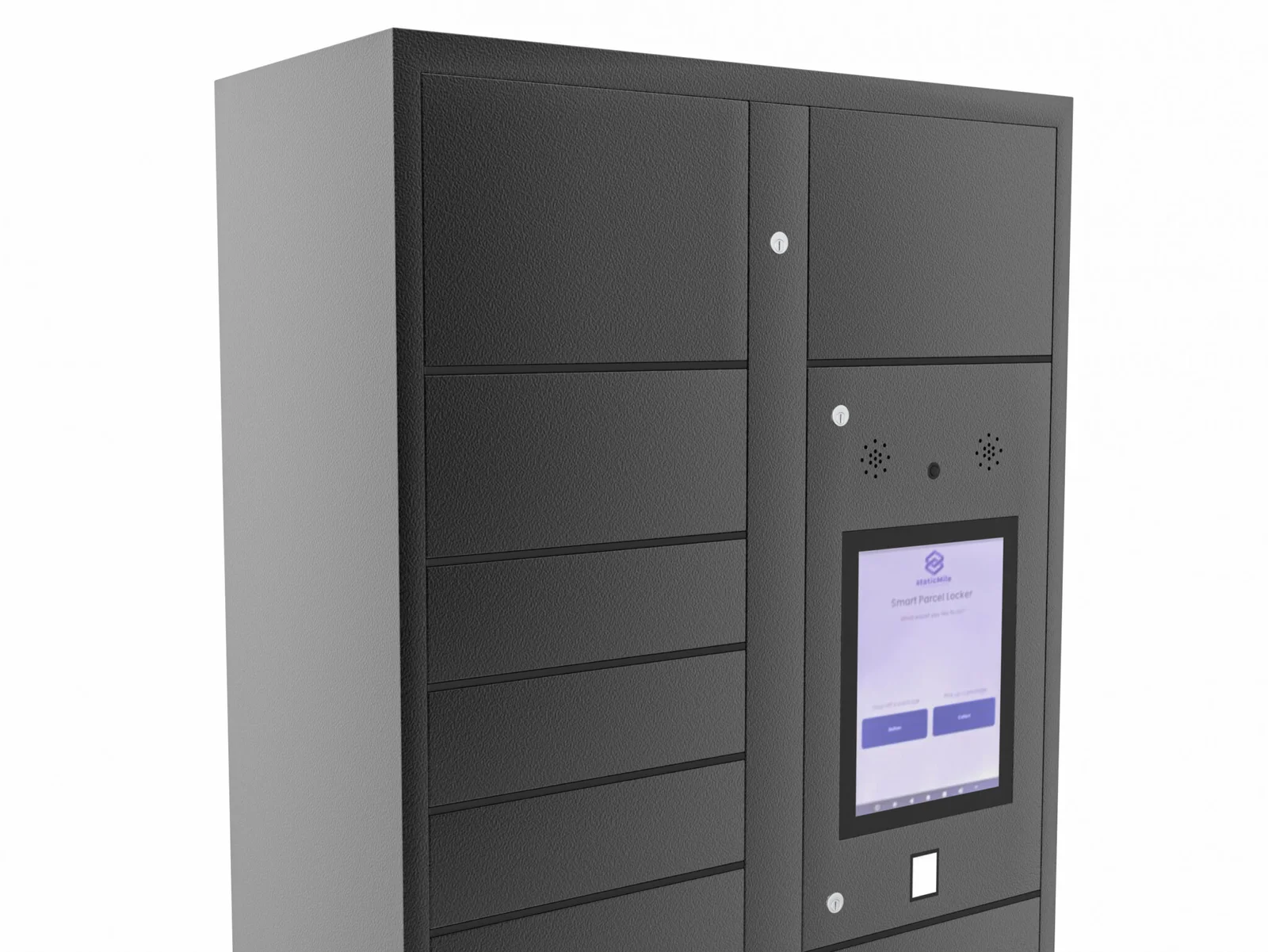
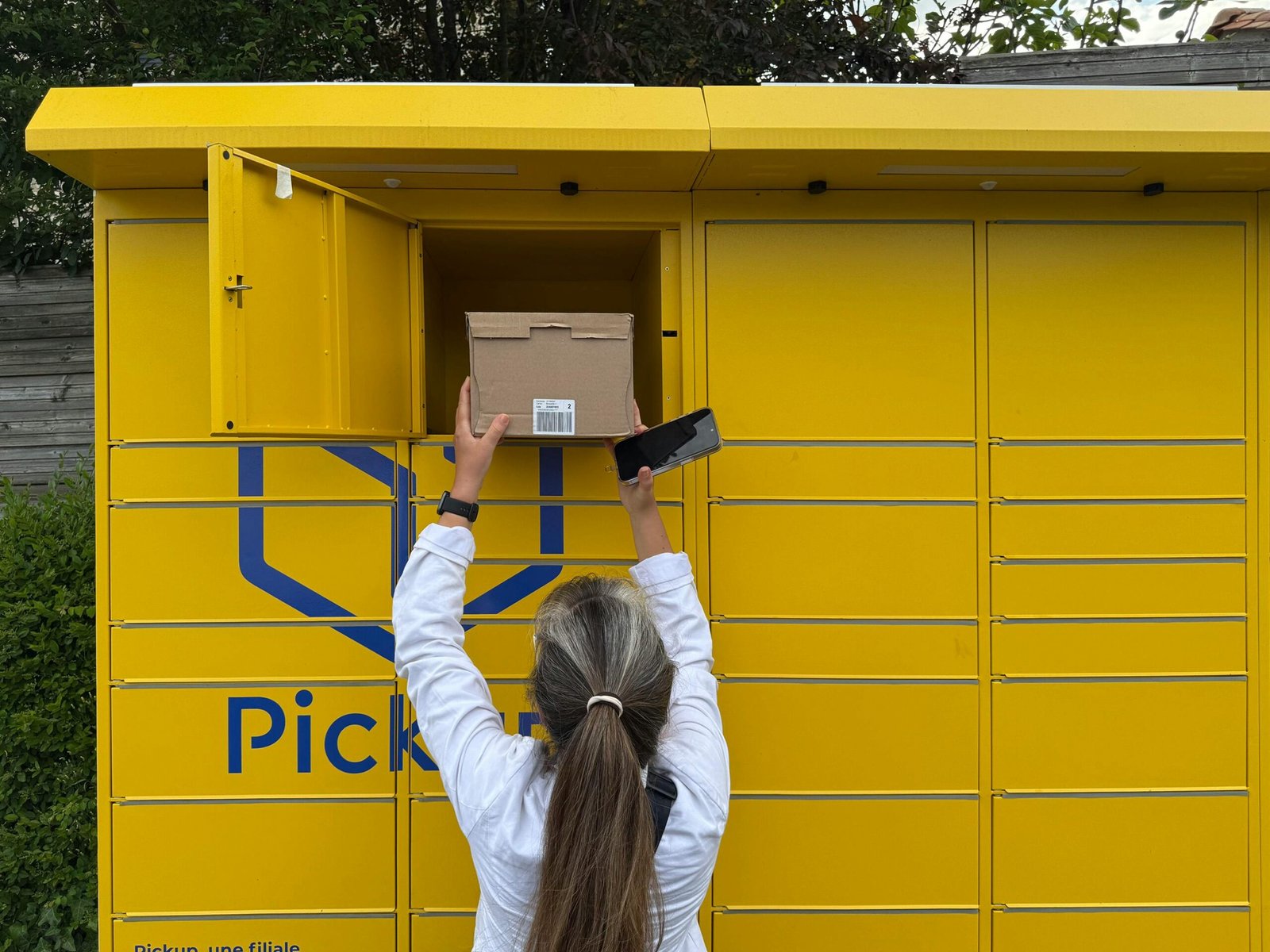
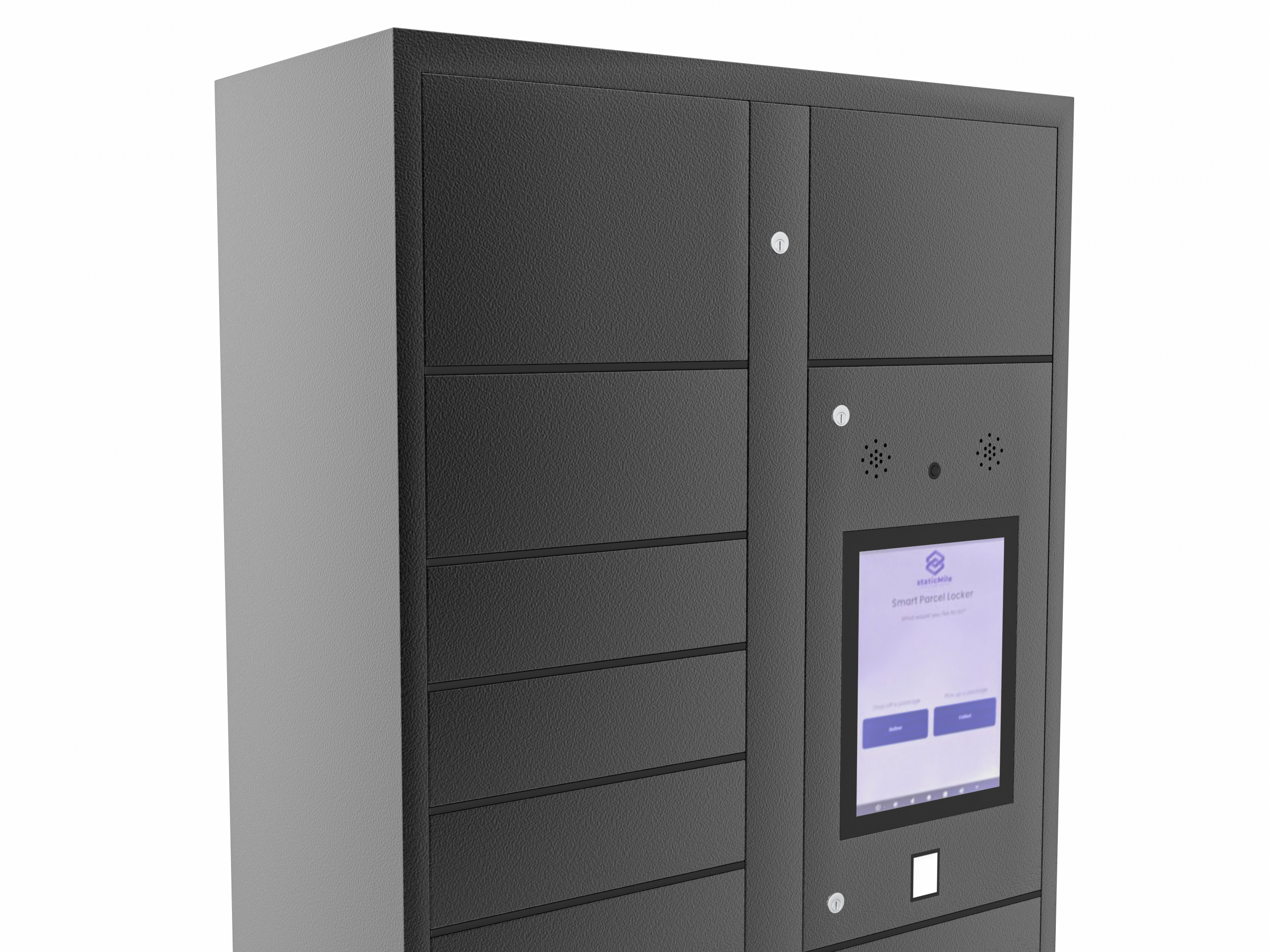
Lockers won mostly because they matched the problem. The building needed a place for packages to go that wasn’t “on the floor,” and they needed couriers to have a simple way to drop items off without a staff member acting as a middle step. The lockers they chose were installed indoors, in a secure space just off the lobby (not outside), and the flow was pretty straightforward: courier drops a parcel in an open compartment, the system sends the resident a pickup code, and the resident retrieves it with a PIN or QR code.
Still, they had concerns. Space was the big one. That secure common area wasn’t empty; it had a few things stored there, and they had to re-think the layout. Noise came up too—would the doors clank? Would people hang around at all hours? There was also the learning curve. Not everyone loves scanning QR codes at a screen, and some residents are understandably skeptical of “new systems” that claim they’ll be easier.
They did what a lot of sensible buildings do: they talked it through, asked for input, and tried to keep expectations realistic. No one promised perfection. They just wanted fewer headaches.
Implementation: spring install, a small hiccup, and a lot of reminders
Installation landed in spring. The delivery day was… chaotic, but not in a disaster way. Think: a big shipment, protective packaging everywhere, a contractor team moving parts through the lobby, and residents stepping around it on their way to work. The lockers went into that secure common area near the entrance, and the building kept access controlled during setup.
They communicated the change in the most normal building way possible: emails, posters in the elevator, and a printed notice by the mailboxes. It explained what the lockers were, how courier drop-offs would work, and how residents would pick up their items. They also included a small “what if I don’t have a smartphone?” note, because someone always asks (fair). Residents could still use a PIN without scanning anything.
The minor hiccup happened in week one: a few couriers ignored the lockers and continued dropping parcels in the lobby out of habit. It wasn’t malicious; it was just muscle memory and time pressure. A couple of residents also typed their unit numbers incorrectly when setting up notifications, which meant their pickup codes weren’t reaching them right away.
Both issues were fixed quickly. Management posted clearer signage near the entrance and reminded courier companies during regular deliveries. For the setup confusion, the concierge desk helped residents update their contact info, and the property manager sent a short follow-up email that basically said, “If you didn’t get a code, come see us—we’ll sort it out.” (It worked.)
Results after 3–6 months: fewer theft complaints, less lobby clutter, calmer staff
After about three to six months, the building didn’t claim a miracle. But staff noticed the difference in a way that’s hard to ignore.
First: theft complaints dropped. Before the lockers, the building was seeing “a couple a month” in some stretches—missing packages, opened boxes, items that never turned up. After the lockers, those complaints became rare. Not zero, because life isn’t zero, but rare enough that residents stopped bringing it up constantly. Based on incident notes and informal tracking, the building estimated something like a 40–60% reduction in package-related complaints (theft and “where did it go?” issues combined). The big change wasn’t just fewer incidents—it was fewer repeat conversations about incidents.
Second: the lobby looked like a lobby again. Packages weren’t piled near the mailboxes or tucked behind furniture. That matters more than people think. A tidy entrance makes the building feel cared for. It also reduces that low-grade anxiety residents had about leaving parcels in plain view.
Third: fewer front desk interruptions. The concierge desk still answered questions, but the nature of the questions shifted. Instead of “Can you check if it’s here?” it became “I got a code—great, thanks.” The property manager estimated staff saved a handful of minutes per hour during peak delivery windows, which doesn’t sound dramatic until you add it up over a week. Less time searching, less time mediating disputes, less time dealing with frustrated residents.
Fourth: residents felt more in control of their deliveries. One resident put it simply: “I don’t have to rush home anymore or text my neighbour like, ‘Can you grab my box?’” they said. “I just pick it up when I’m back from work. It’s not a big deal, which is exactly the point.”
And finally, the building’s relationship with couriers improved—quietly. Couriers had a consistent place to drop items, and they didn’t need to wait for someone at the desk to accept packages. There were still the occasional odd deliveries (a parcel too big for a compartment, for example), but the baseline became smoother.
A practical takeaway, not a sales pitch
The most interesting part of this story isn’t that automated parcel lockers are fancy. It’s that they’re boring—in a good way. They took a repetitive, mildly stressful daily problem and turned it into something predictable.
If you manage a mid-scale residential building in Ottawa (or anywhere with winter boots and a steady stream of deliveries), you don’t need a perfect rollout to get value from lockers. You just need a setup that fits the space, clear communication, and a willingness to iron out the small wrinkles early. The outcome isn’t “everything changed overnight.” It’s more like: fewer complaints, fewer interruptions, and a lobby that feels like home again. Isn’t that kind of the goal?
About the Building
A mid-scale residential property in Ottawa, Ontario (roughly 90–140 units), home to a mix of young professionals and families. The building installed indoor automated parcel lockers in a secure common area near the entrance after recurring package clutter and occasional theft complaints.
about
StaticMile
staticMile helps apartments, condos, retailers, and commercial spaces streamline deliveries with secure smart lockers, real-time alerts, and convenient 24/7 pickup.